Showing posts with label World War I. Show all posts

Tuesday, February 21, 2023

Linky Links

Stuff I found interesting or amusing and thought I'd share.

- Eric McErlain and the tradition of the gnomes.

How the War in Ukraine ends. Interesting read but Ukraine is not getting Crimea back. We have to be realistic about that.

- Is God really visiting a two-stoplight town in Kentucky? I'm honestly jealous of people who believe they've been touched by the Holy Spirit.

- The Battle of Verdun

Sunday, January 29, 2023

Sometimes History Rhymes

Took the liberty of changing a single word ("war") from a paragraph found in Paul Johnson's Modern Times to the word "pandemic" and also changed the date. But the meaning remains eerily the same:

Thus the war Pandemic demonstrated both the impressive speed with which the modern state could expand itself and the inexhaustible appetite which it thereupon developed both for the destruction of its enemies and for the exercise of despotic power over its own Citizens. As the war Pandemic ended, there were plenty of sensible men who understood the gravity of these developments. But could the clock be turned back to where it had stood in July 1914 March 2020? Indeed did anyone wish to turn it back?

Saturday, October 08, 2022

Sergeant York

On this day in 1918 - Sergeant Alvin York became a household name when he (along with others) killed 32 Germans and captured 132 others in the Argonne Forest in France. York was awarded the Medal of Honor for his deeds. 

Sergeant York's fame was spread by the 1941 movie Sergeant York, with Gary Cooper starring in the title role.

Some people may ask why we don't have heroes like this in today's military. The answer is that we do still have such men but the media today just doesn't celebrate them like they used to.

Wednesday, March 02, 2022

The Great Illusion

Europe in the summer of 1914 enjoyed a peaceful productivity so dependent on international exchange and co-operation that a belief in the impossibility of general war seemed the most conventional of wisdoms. In 1910 an analysis of prevailing economic interdependence, The Great Illusion, had become a best-seller; its author Norman Angell had demonstrated, to the satisfaction of almost all informed opinion, that the disruption of international credit inevitably caused by war would either deter its outbreak or bring it speedily to an end. - John Keegan The First World War  

Monday, February 21, 2022

106th Anniversary of the Battle of Verdun

Today marks the the 106th anniversary of one of the events that changed the world forever. On February 21st in 1916 - the Battle of Verdun began. The battle was to change the course of Western Civilization. 

The idea for the battle was from German Chief of Staff, Erich von Falkenhayn. He believed that if he could take-out France with a major set battle and discourage England to a point that Germany could be in a position to negotiate very favorable terms. To accomplish his goals - Falkenhayn proposed unrestricted submarine warfare to starve Britain and a knockout blow against France at Verdun. With this major battle at Verdun, Falkenhayn hoped to "bleed France white".
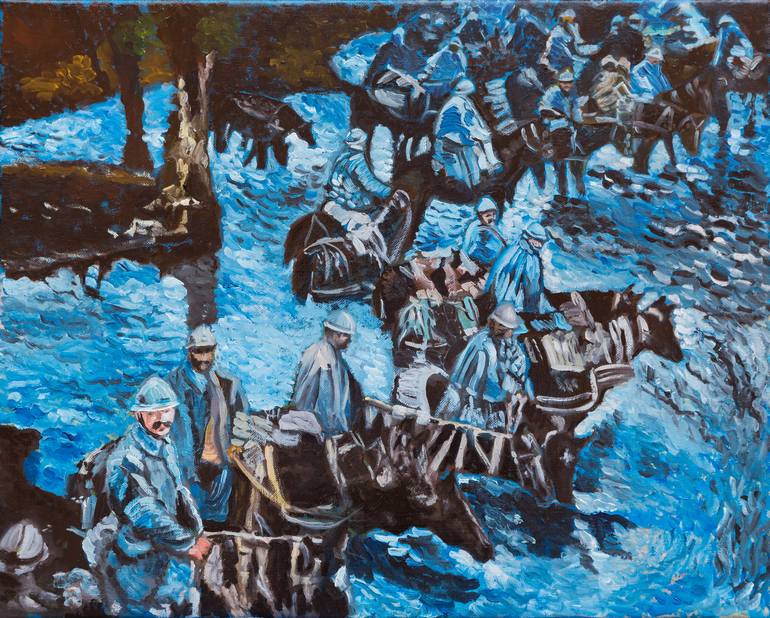
It was an ambitious plan - an aggressive plan. Falkenhayn knew that to attack at Verdun he'd have to take resources away from the Eastern Front and that unrestricted submarine warfare ran the risk of bringing the U.S. into the war. Falkenhayn reasoned that Russia was on the brink of revolution and internal civil war in Russia would allow them to take those resources from the Eastern Front and that the decisive blow to France would come before the US was dragged into the war. He was right on the former but wrong on the latter.

Verdun seemed the perfect place to attack. It actually jutted out into the German lines - so it could be attacked from three sides. It was also of historical and psychological significance to Frenchmen (somewhat akin to what the Alamo is to Americans).

The job of attacking Verdun fell to German Crown Prince Wilhelm. He planned to assault the town from both sides of the surrounding Meuse River but that plan vetoed by Falkenhayn. After coming up with a daring, aggressive plan - Falkenhayn was suddenly cautious. Falkenhayn ordered the attack to be confined to one side of the river. Similar to a poker game, Falkenhayn was beaten on the river. Falkenhayn had pocket Aces of a plan but he failed to put enough chips at risk to drive the other player out. By not being aggressive when he should have - he gave France free cards and allowed himself and Germany to literally be beaten on the river.

With so many people who eventually died in the battle, a poker analogy may seem flip but the fact is the Germans had one million troops against 200,000 defenders. They did hold Aces before the battle.

When the attack finally began, the Germans bombarded Verdun with 1,400 guns that rained Verdun with 100,000 shells every hour. The Germans failed to immediately follow up the bombardment with an full-scale infantry attack and what resulted was a stalemate which was to last for months and months.

The dead and wounded from both sides piled up so that both countries were being "bled white". The French begged Britain to open up a diversionary attack elsewhere on the Western Front to drain resources and men away from Verdun on the German side. Thus the Battle of the Somme was born. 

By the time the battle of Verdun ended almost one million casualties had been inflicted in roughly equal numbers for both sides. The Battle of the Somme resulted in about 1.1 million casualties (about 400,000 British, 200,000 French and 500,000 German). The unrestricted submarine warfare resulted in the Americans being dragged into the War (remember that President Woodrow Wilson was elected on a peace platform). The American joined the fight just as both sides were literally exhausted from being "bled white" from Verdun and the Somme and the rest is history (including the harsh terms imposed on Germany that led to the rise of Adolph Hitler and the Nazi Party).

Saturday, December 25, 2021

The Christmas Truce


A touching reminder of the meaning of Christmas. And if you watch till the end a reminder on the fleeting nature of life. Memento mori.

Friday, December 25, 2020

The Christmas Truce


Very interesting bit of history. Be sure to watch till the end for the reminder that war is hell. Memento mori.

Friday, February 21, 2020

104th Anniversary of the Battle of Verdun


Today marks the the 104th anniversary of one of the events that changed the world forever. On February 21st in 1916 - the Battle of Verdun began. The battle was to change the course of Western Civilization. 

The idea for the battle was from German Chief of Staff, Erich von Falkenhayn. He believed that if he could take-out France with a major set battle and discourage England to a point that Germany could be in a position to negotiate very favorable terms. To accomplish his goals - Falkenhayn proposed unrestricted submarine warfare to starve Britain and a knockout blow against France at Verdun. With this major battle at Verdun, Falkenhayn hoped to "bleed France white".

It was an ambitious plan - an aggressive plan. Falkenhayn knew that to attack at Verdun he'd have to take resources away from the Eastern Front and that unrestricted submarine warfare ran the risk of bringing the U.S. into the war. Falkenhayn reasoned that Russia was on the brink of revolution and internal civil war in Russia would allow them to take those resources from the Eastern Front and that the decisive blow to France would come before the US was dragged into the war. He was right on the former but wrong on the latter.

Verdun seemed the perfect place to attack. It actually jutted out into the German lines - so it could be attacked from three sides. It was also of historical and psychological significance to Frenchmen (somewhat akin to what the Alamo is to Americans).

The job of attacking Verdun fell to German Crown Prince Wilhelm. He planned to assault the town from both sides of the surrounding Meuse River but that plan vetoed by Falkenhayn. After coming up with a daring, aggressive plan - Falkenhayn was suddenly cautious. Falkenhayn ordered the attack to be confined to one side of the river. Similar to a poker game, Falkenhayn was beaten on the river. Falkenhayn had pocket Aces of a plan but he failed to put enough chips at risk to drive the other player out. By not being aggressive when he should have - he gave France free cards and allowed himself and Germany to literally be beaten on the river.

With so many people who eventually died in the battle, a poker analogy may seem flip but the fact is the Germans had one million troops against 200,000 defenders. They did hold Aces before the battle.

When the attack finally began, the Germans bombarded Verdun with 1,400 guns that rained Verdun with 100,000 shells every hour. The Germans failed to immediately follow up the bombardment with an full-scale infantry attack and what resulted was a stalemate which was to last for months and months.

The dead and wounded from both sides piled up so that both countries were being "bled white". The French begged Britain to open up a diversionary attack elsewhere on the Western Front to drain resources and men away from Verdun on the German side. Thus the Battle of the Somme was born. 

By the time the battle of Verdun ended almost one million casualties had been inflicted in roughly equal numbers for both sides. The Battle of the Somme resulted in about 1.1 million casualties (about 400,000 British, 200,000 French and 500,000 German). The unrestricted submarine warfare resulted in the Americans being dragged into the War (remember that President Woodrow Wilson was elected on a peace platform). The American joined the fight just as both sides were literally exhausted from being "bled white" from Verdun and the Somme and the rest is history (including the harsh terms imposed on Germany that led to the rise of Adolph Hitler and the Nazi Party).

Tuesday, October 08, 2019

Sergeant York

On this day in 1918 - Sergeant Alvin York became a household name when he (along with others) killed 32 Germans and captured 132 others in the Argonne Forest in France. York was awarded the Medal of Honor for his deeds. 

Sergeant York's fame was spread by the 1941 movie Sergeant York, with Gary Cooper starring in the title role.

Some people may ask why we don't have heroes like this in today's military. The answer is that we do still have such men but the media today just doesn't celebrate them like they used to.

Friday, June 28, 2019

Treaty of Versailles


100 years ago today. Doubt it even gets mentioned in the news.

Thursday, February 21, 2019

103rd Anniversary of the Battle of Verdun

Today marks the the 103rd anniversary of one of the events that changed the world forever. On February 21st in 1916 - the Battle of Verdun began. The battle was to change the course of Western Civilization. 

The idea for the battle was from German Chief of Staff, Erich von Falkenhayn. He believed that if he could take-out France with a major set battle and discourage England to a point that Germany could be in a position to negotiate very favorable terms. To accomplish his goals - Falkenhayn proposed unrestricted submarine warfare to starve Britain and a knockout blow against France at Verdun. With this major battle at Verdun, Falkenhayn hoped to "bleed France white".

It was an ambitious plan - an aggressive plan. Falkenhayn knew that to attack at Verdun he'd have to take resources away from the Eastern Front and that unrestricted submarine warfare ran the risk of bringing the U.S. into the war. Falkenhayn reasoned that Russia was on the brink of revolution and internal civil war in Russia would allow them to take those resources from the Eastern Front and that the decisive blow to France would come before the US was dragged into the war. He was right on the former but wrong on the latter.

Verdun seemed the perfect place to attack. It actually jutted out into the German lines - so it could be attacked from three sides. It was also of historical and psychological significance to Frenchmen (somewhat akin to what the Alamo is to Americans).

The job of attacking Verdun fell to German Crown Prince Wilhelm. He planned to assault the town from both sides of the surrounding Meuse River but that plan vetoed by Falkenhayn. After coming up with a daring, aggressive plan - Falkenhayn was suddenly cautious. Falkenhayn ordered the attack to be confined to one side of the river. Similar to a poker game, Falkenhayn was beaten on the river. Falkenhayn had pocket Aces of a plan but he failed to put enough chips at risk to drive the other player out. By not being aggressive when he should have - he gave France free cards and allowed himself and Germany to literally be beaten on the river.

With so many people who eventually died in the battle, a poker analogy may seem flip but the fact is the Germans had one million troops against 200,000 defenders. They did hold Aces before the battle.

When the attack finally began, the Germans bombarded Verdun with 1,400 guns that rained Verdun with 100,000 shells every hour. The Germans failed to immediately follow up the bombardment with an full-scale infantry attack and what resulted was a stalemate which was to last for months and months.

The dead and wounded from both sides piled up so that both countries were being "bled white". The French begged Britain to open up a diversionary attack elsewhere on the Western Front to drain resources and men away from Verdun on the German side. Thus the Battle of the Somme was born. 

By the time the battle of Verdun ended almost one million casualties had been inflicted in roughly equal numbers for both sides. The Battle of the Somme resulted in about 1.1 million casualties (about 400,000 British, 200,000 French and 500,000 German). The unrestricted submarine warfare resulted in the Americans being dragged into the War (remember that President Woodrow Wilson was elected on a peace platform). The American joined the fight just as both sides were literally exhausted from being "bled white" from Verdun and the Somme and the rest is history (including the harsh terms imposed on Germany that led to the rise of Adolph Hitler and the Nazi Party).

Sunday, November 11, 2018

Veteran's Day

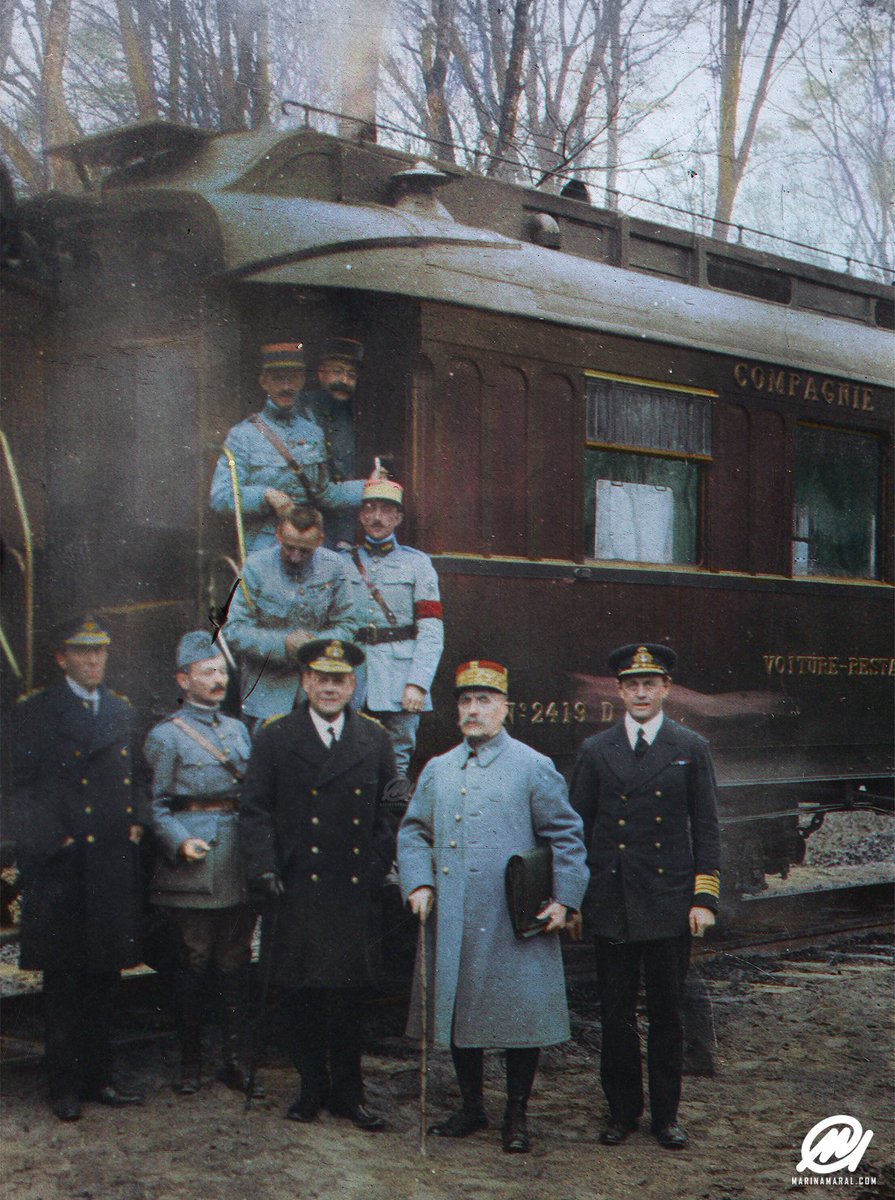
On the eleventh hour of the eleventh day of the eleventh month an Armistice was signed to end the carnage of World War I. November 11th became Armistice Day cross much of the world but Wold War II caused the day to morph into Veteran's Day instead because what's the point in honoring an Armistice agreement that wasn't adhered to?

There is a point in honoring the Veterans who fought in both these wars and others or who have worn the uniform. Recently saw this description of what makes a "veteran":

"A 'Veteran' - whether active duty, discharged, retired or reserve - is someone who, at one point at his or her life, wrote a blank check made payable to 'the United States of America', for an amount up to and including his or her life."

The men and women who risk or who have given this "last full measure of devotion" are more than worthy of a Day in their honor.

By the way, that railway car used to sign the Armistice in 1918 was later used by Hitler as the venue chosen for the French to sign their surrender to the Nazi in World War II.

Thursday, June 28, 2018

Archduke Franz Ferdinand


On this date in 1914 Archduke Franz Ferdinand of Austria and his wife Sophie were assassinated in Sarajevo by Serbian nationalist Gavrilo Princip. The murders sparked World War I.

Dan Carlin has an excellent in depth (and I mean in depth) podcast on the events surrounding the assassination in his Blueprint for Armageddon. Well worth the listen. 

If your tastes run more towards video rather than audio check out the Great War on YouTube.

Both are great sources of history.

Wednesday, February 21, 2018

102nd Anniversary of the Battle of Verdun

Today marks the the 102nd anniversary of one of the events that changed the world forever. On February 21st in 1916 - the Battle of Verdun began. The battle was to change the course of Western Civilization. 

The idea for the battle was from German Chief of Staff, Erich von Falkenhayn. He believed that if he could take-out France with a major set battle and discourage England to a point that Germany could be in a position to negotiate very favorable terms. To accomplish his goals - Falkenhayn proposed unrestricted submarine warfare to starve Britain and a knockout blow against France at Verdun. With this major battle at Verdun, Falkenhayn hoped to "bleed France white".

It was an ambitious plan - an aggressive plan. Falkenhayn knew that to attack at Verdun he'd have to take resources away from the Eastern Front and that unrestricted submarine warfare ran the risk of bringing the U.S. into the war. Falkenhayn reasoned that Russia was on the brink of revolution and internal civil war in Russia would allow them to take those resources from the Eastern Front and that the decisive blow to France would come before the US was dragged into the war. He was right on the former but wrong on the latter.

Verdun seemed the perfect place to attack. It actually jutted out into the German lines - so it could be attacked from three sides. It was also of historical and psychological significance to Frenchmen (somewhat akin to what the Alamo is to Americans).

The job of attacking Verdun fell to German Crown Prince Wilhelm. He planned to assault the town from both side of the surrounding Meuse River but that plan vetoed by Falkenhayn. After coming up with a daring, aggressive plan - Falkenhayn was suddenly cautious. Falkenhayn ordered the attack to be confined to one side of the river. Similar to a poker game, Falkenhayn was beaten on the river. Falkenhayn had pocket Aces of a plan but he failed to put enough chips at risk to drive the other player out. By not being aggressive when he should have he gave France free cards and allowed himself and Germany to literally be beaten on the river.

With so many people who eventually died in the battle, a poker analogy may seem flip but the fact is the Germans had one million troops against 200,000 defenders. They did hold Aces before the battle.

When the attack finally began, the Germans bombarded Verdun with 1,400 guns that rained Verdun with 100,000 shells every hour. The Germans failed to immediately follow up the bombardment with an full-scale infantry attack and what resulted was a stalemate which was to last for months and months.

The dead and wounded from both sides piled up so that both countries were being "bled white". The French begged Britain to open up a diversionary attack elsewhere on the Western Front to drain resources and men away from Verdun on the German side. Thus the Battle of the Somme was born. 

By the time the battle of Verdun ended almost one million casualties had been inflicted in roughly equal numbers for both sides. The Battle of the Somme resulted in about 1.1 million casualties (about 400,000 British, 200,000 French and 500,000 German). The unrestricted submarine warfare resulted in the Americans being dragged into the War (remember that President Woodrow Wilson was elected on a peace platform). The American joined the fight just as both sides were literally exhausted from being "bled white" from Verdun and the Somme and the rest is history (including the harsh terms imposed on Germany that led to the rise of Adolph Hitler and the Nazi Party).

Saturday, November 11, 2017

Veterans Day

The 11th hour of the 11th day on the 11th day of the 11th month and armistice was signed in 1918 ending what was known then as the Great War but what we now call World War I. To commemorate the end of the war -  Armistice Day was created but this was later changed to Veterans Day which we celebrate today. The aim of the holiday is not just to act as a salute to our veterans but also as a day of remembrance of those who gave their last full measure of devotion .

With the idea of remembrance the site Every One Remembered was created  to recognize, acknowledge and remember the ultimate sacrifice made by 1.1 million service men and women in World War 1.

I did my part by remembering Christopher Lynch a 37-year old Irishman who died on November 18, 1918 (five days after the Armistice was signed). "We will remember them. Today, Tomorrow, Forever."